Rophian: A Script Font Review for Makers and Sellers
I was sitting at my kitchen table, tweaking a label design for a small batch of hand-poured soy candles, when I first opened Rophian. The candle was called “Wild Rose,” and I had been cycling through the same old script fonts, none of which captured the delicate balance of modern elegance I was after. Then I dropped Rophian onto the label text. The transformation was immediate. The curves felt intentional, the contrast between thick and thin strokes gave the name a refined lift, and suddenly my simple amber jar looked like something you would find in a high-end boutique. That is the kind of moment every maker hopes for—when a font does not just sit on the page but actually elevates the product. Rophian is that kind of typeface.
A Script Font with Genuine Character
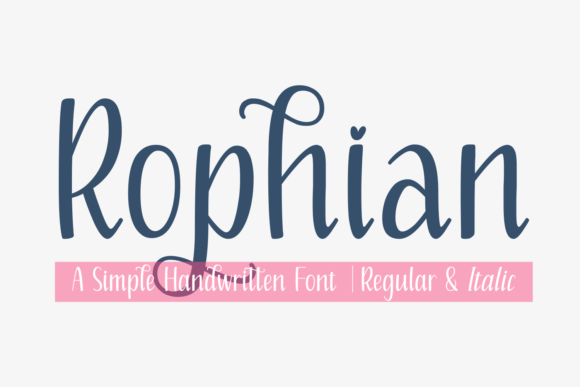
Rophian is a beautiful and refined script font that sits comfortably in the Script Amp category. It carries a classy, elegant, and modern look without feeling stiff or overly formal. The letters flow with a natural rhythm, and there is a gentle dynamism in the way the strokes connect. This is not one of those script fonts that looks like rushed handwriting. Rophian feels deliberate. Each character has been drawn with care, and the overall impression is one of sophisticated charm. For makers who want their products to communicate quality and thoughtfulness, this font provides a strong foundation. It works beautifully for logos, branding, invitations, stationery, wedding designs, social media posts, and much more. But what I really wanted to know was how it would hold up across different materials and production methods.
Bringing Rophian to Life on Real Products
I tested Rophian on several real product mockups to see how it translated from screen to physical goods. The first test was on candle labels. The font’s moderate stroke contrast meant it remained legible even when printed at a small size on matte paper. The name “Wild Rose” looked airy and refined, and the swashes on the capital letter gave it a subtle handcrafted feel. Next, I moved to greeting cards. I used Rophian for a simple “Thank You” message, and the result was warm and inviting. The font reads as personal without being messy, which is a hard balance to strike.
For sticker sheets, I was curious about how Rophian would perform on vinyl and Kraft paper. The answer: very well. The letterforms are open enough that small details do not get lost in the cut. I cut a set of small thank-you stickers with the word “grateful” set in Rophian, and every curve held up perfectly. On a tote bag mockup, I used the font for a simple shop name, and it looked elegant without overpowering the bag’s natural fabric texture. Rophian also excels in printable wall art. I created a simple “Live Well” print, and the typography alone carried the design. No extra ornamentation was needed because the font itself provides enough visual interest.
When I tested Rophian on mugs and shirts, the results were equally pleasing. For a mug design, I used a short quote, and the font’s rhythm made the words feel like a beautiful flourish. On a shirt mockup, I paired Rophian with a simple icon, and the overall look was polished and marketable. The font handles short phrases and names exceptionally well, which is exactly what most handmade sellers need for their product lines.
Where Rophian Shines Best
Rophian is a display font at heart, and it truly shines in applications where you want the text to be the hero. This includes:
- Product labels for candles, soaps, balms, and small-batch goods.
- Greeting cards and invitations where elegance is key.
- Wedding stationery including save-the-dates, programs, and welcome signs.
- Boutique packaging such as tags, boxes, and tissue paper inserts.
- Digital printables like wall art, planner covers, and social media templates.
- Shop branding for logos, store banners, and listing images.
Rophian also works well for seasonal craft designs. I tested it on a holiday tag mockup, and the word “Noel” looked stunning in this typeface. For makers who sell across multiple channels, having a font that translates well from digital previews to physical products is a huge advantage.
Readability and Practical Considerations
While Rophian is undeniably beautiful, there are a few things to keep in mind when using it in production. The font is highly decorative, which means it is not ideal for every situation. If you are designing for very small surfaces, such as a tiny sticker or a product with limited space, the fine strokes may become less legible. I would avoid using Rophian for long paragraphs, dense label information, or technical product instructions. This font is best reserved for short, impactful words and phrases where elegance is the priority.
For cutting machines like Cricut and Silhouette, Rophian performs well as long as the text is sized appropriately. I tested it on a simple vinyl quote for a farmhouse sign, and the cut was clean. However, if you are working with very intricate cuts, it is wise to do a test cut first. The font’s swashes and loops can create thin bridges that may not hold up on certain materials. But for most standard applications, you should have no issues.
Pairing Rophian with Other Fonts
To get the most out of Rophian in your designs, pairing it with a clean sans serif font is a reliable strategy. The contrast between a flowing script and a simple, modern sans serif creates a balanced and professional look. For instance, pairing Rophian with a font like Montserrat or Open Sans gives you a clear hierarchy for product labels: the script for the product name, and the sans serif for scent notes or ingredients. If you prefer a more editorial feel, a simple serif font can also work well, adding a touch of tradition to the overall design. For a more casual or handmade vibe, a handwritten font can be a fun companion, though you will want to ensure the two styles do not compete for attention.
File Formats, Licensing, and What to Check Before You Buy
Before you start using Rophian for your products, there are a few practical checks to make. First, look at the included file formats. Most premium fonts come with both OTF and TTF files, and both are suitable for different design software. If you are using Adobe Illustrator or Photoshop, OTF is generally preferred. For Cricut Design Space or Silhouette Studio, TTF works well. Also check if the font includes alternates, ligatures, and swashes. These extras can give you more creative control, especially when designing logos or titles where you want unique letter combinations.
Multilingual support is another consideration. If you sell products with text in multiple languages, make sure Rophian covers the characters you need. Finally, pay close attention to commercial font licensing. If you plan to use Rophian on physical products for sale, such as candles, shirts, mugs, or printables, you will need a commercial license. The same applies if you are creating digital templates or SVG-style designs for resale. Always read the license terms carefully to ensure you are covered for your specific use case. This is one of the most important steps for any maker or small shop owner, because using a font without proper licensing can lead to issues down the road.
A Font That Feels Like It Belongs in Your Shop
Rophian has quickly become one of my go-to script fonts for product design. It brings a level of polish and warmth that makes handmade goods feel intentional and premium. Whether I am designing a simple thank-you card, a candle label, or a wedding invitation, this font delivers a consistent, elegant result. It is not a font for every job, but for the jobs it is made for, it performs beautifully. If you are a maker or seller looking to elevate your product presentation and create a cohesive brand identity, Rophian is worth a close look. It is one of those rare fonts that feels both classic and current, and it translates beautifully from digital mockup to finished product.
I have already started using it across several of my own listings, and the feedback has been positive. Customers notice when a product looks well-designed, and typography plays a huge role in that perception. Rophian helps you make that good impression every time.